All Regarding LED Flashlights: An Overview to Choosing the Right One for You
LED flashlights have actually come to be a staple in many homes and outside adventures. Their effectiveness and adaptability satisfy numerous needs, from informal usage to survival circumstances. Understanding the nuances of LED modern technology and the attributes that matter can greatly influence one's option. Aspects such as brightness, battery life, and sturdiness play important roles. With so many alternatives offered, exactly how does one determine the perfect flashlight to satisfy specific demands?
Understanding LED Modern Technology
Several people value the intense light created by LED flashlights, few recognize the underlying modern technology that makes them reliable and resilient. LED, or Light Emitting Diode, operates on a semiconductor concept, where electrons move with a product to release light when stimulated. This process is naturally extra efficient than standard incandescent bulbs, transforming a bigger section of electrical energy into visible light as opposed to heat.
The durability of LED innovation contributes to its charm; LEDs have a long life expectancy, frequently going beyond 25,000 hours of use. This long life minimizes the regularity of replacements, adding to set you back savings and decreased waste. On top of that, LEDs are resistant to shock and resonance, making them optimal for rugged environments. Their small dimension allows for versatile designs, ideal for different flashlight types. Generally, recognizing LED technology discloses why these flashlights are preferred for day-to-day usage and exterior adventures alike.
Secret Attributes to Take Into Consideration
Recognizing LED technology sets the structure for reviewing flashlight alternatives, particularly when taking into consideration essential attributes. Illumination is a main aspect, often determined in lumens, which shows the light result. A greater lumen count usually equates to greater exposure. Battery type and runtime likewise play substantial roles; individuals should analyze whether they favor rechargeable choices or disposable batteries based on their usage patterns. Durability is an additional necessary attribute, with lots of flashlights offering water and effect resistance ratings, making certain dependability in numerous conditions. Size and weight can influence portability, making it crucial to pick a flashlight that fits the intended use, whether for daily carry or emergency situation readiness. Additional functions, such as flexible beam of light emphasis, multiple illumination settings, and built-in security devices, improve functionality and flexibility, allowing users to customize their flashlight experience to details needs. Ultimately, recognizing these key functions encourages individuals to select the suitable LED flashlight for their requirements.
Different Sorts Of LED Flashlights
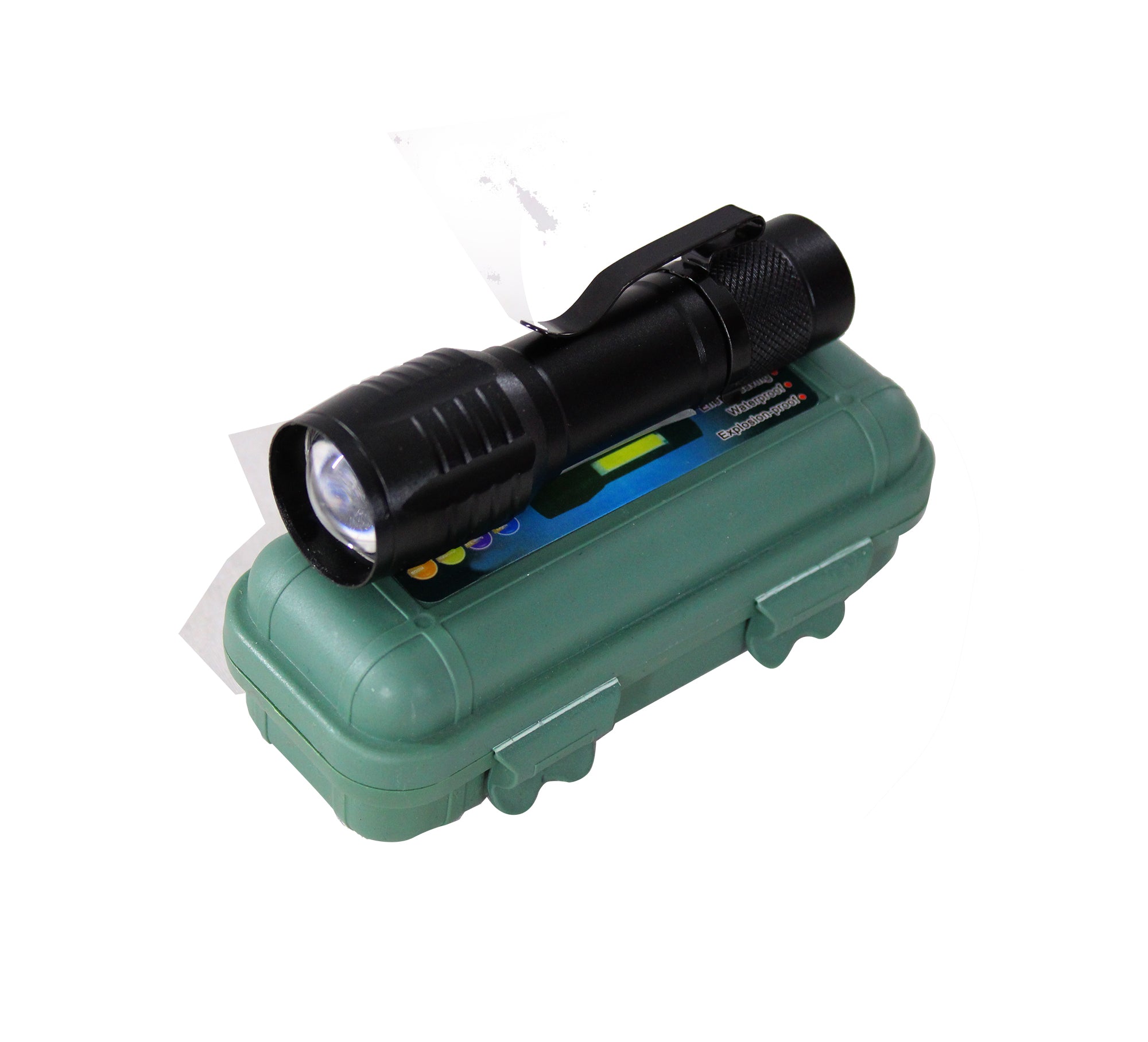
LED flashlights can be found in a variety of kinds, each developed to satisfy particular needs and choices. Small flashlights, perfect for everyday bring, provide transportability and convenience. Tactical flashlights are constructed for durability and frequently feature extra performances, such as strobe settings for protection. Headlamps supply hands-free lighting, making them perfect for tasks like camping or repairs. Work lights, usually larger and extra powerful, are suited for job websites, using wide coverage and stability. Rechargeable flashlights are eco pleasant choices that save on battery prices, while pocket-sized versions stress ease of transportation without giving up efficiency. Specialized flashlights, such as UV or infrared designs, cater to particular niche applications like finding phony currency or evening vision. Each type offers an one-of-a-kind function, enabling customers to select the flashlight that ideal fits their certain demands and activities.
Brightness and Lumens Explained
When selecting an LED flashlight, illumination plays a crucial role in its performance. The brightness of a flashlight is generally gauged in lumens, which measures the total quantity of noticeable light released. A higher lumen count suggests a brighter light, making it crucial for users to understand their certain needs. For instance, jobs such as camping or exterior expedition may need flashlights with higher lumen ratings, usually varying from 200 to 1,000 lumens. On the other hand, everyday jobs, like analysis or assisting at evening, may be appropriately offered by flashlights sending out in between 50 to 200 lumens. Furthermore, the regarded brightness can vary based on beam range and intensity; a concentrated light beam might appear brighter than a scattered light of the very same lumen rating. Comprehending these elements guarantees people pick a flashlight that efficiently satisfies their illumination requirements in numerous situations.
Battery Life and Power Sources
Comprehending battery life and source of power is necessary for making the most of the performance of LED flashlights. This section will cover various battery kinds, contrasting rechargeable choices to disposable ones, and highlight important runtime considerations. By analyzing these variables, users can make enlightened choices that ideal match their illumination needs.
Battery Kinds Discussed
A variety of battery types substantially influence the performance and long life of flashlights. Typical battery options include alkaline, lithium, and nickel-metal hydride (NiMH) Alkaline batteries are economical and widely available but generally provide much shorter life expectancy and reduced power result contrasted to lithium. Lithium batteries, known for their high and lightweight energy thickness, give longer run times and execute well in severe temperatures. NiMH batteries are ecologically pleasant and rechargeable, making them a preferred selection for those seeking sustainability. Each type has its particular voltage and ability, affecting illumination and runtime. Recognizing these distinctions assists individuals select the most effective battery kind for their flashlight requires, ensuring peak performance in different situations.
Non Reusable vs. rechargeable
While both rechargeable and non reusable batteries work as source of power for flashlights, their distinctive characteristics substantially impact performance and user experience. Rechargeable batteries, often lithium-ion, supply the benefit of cost-effectiveness gradually, as they can be reused multiple times, decreasing waste. They also often tend to supply constant power result until deficiency, enhancing brightness during usage. On the other hand, non reusable batteries, commonly alkaline, are hassle-free for quick substitutes and are commonly offered. Nonetheless, they might not last as long in high-drain gadgets and can lead to raised environmental waste. Customers ought to consider their details requirements, such as regularity of use and ecological problems, to determine which battery kind aligns finest with their flashlight requirements.
Runtime Considerations
When selecting a flashlight, runtime considerations are vital, as they straight influence functionality and effectiveness. Battery life identifies the length of time the flashlight can run prior to needing a recharge or replacement. Individuals need to evaluate the sort of battery made use of-- rechargeable lithium-ion batteries tend to supply longer runtimes and cost-effectiveness over time, while non reusable batteries give convenience and immediate schedule. In addition, the flashlight's power output and settings, such as high, tool, or low modes, impact runtime substantially; greater output normally brings about shorter runtimes. Recognizing these variables permits users to choose a flashlight that aligns with their specific requirements, whether for emergency situation preparedness, exterior activities, or daily usage, guaranteeing ideal efficiency when it matters most.
Dimension and Portability
Size and mobility are important factors to navigate here take into account when picking an LED flashlight, as they directly affect functionality and ease. A small flashlight can conveniently fit in a pocket, knapsack, or glove area, making it perfect for everyday lug or exterior tasks. Alternatively, bigger models might offer more power and functions but can be cumbersome to transportation.
Weight likewise plays a significant function; a lightweight flashlight is much easier to deal with for prolonged periods, especially in emergency situations or during outdoor LED Flashlights trips.
Potential customers need to consider their certain demands, such as whether they need a flashlight for laid-back usage, outdoor camping, or professional applications. LED Flashlights.
Inevitably, the right equilibrium between size and efficiency will certainly enhance the overall experience. By examining variables like ease of transport, weight, and measurements, individuals can pick an LED flashlight that ideal straightens with their way of living and intended use, making sure satisfaction and performance.
Budgeting for Your Flashlight Purchase
Budgeting for a flashlight acquisition calls for cautious consideration of individual needs to assure the ideal option. Developing a rate variety is crucial, as it helps limit choices without spending beyond your means. Comparing functions and expenses among various versions will certainly aid in making a notified choice that stabilizes quality and price.
Establish Your Needs
Before selecting a flashlight, people should thoroughly assess their economic restraints and specific requirements. Comprehending the planned use is essential; for example, an informal individual may just need a fundamental design for occasional tasks, while exterior lovers or specialists could require advanced attributes like waterproofing, durability, or brightness. Recognizing the primary purpose-- be it camping, emergency situation preparedness, or everyday carry-- can greatly influence the choice. In addition, individuals ought to think about variables such as battery weight, dimension, and life, as these can impact usability and benefit. Eventually, defining personal requirements will certainly direct people towards a flashlight that not just fulfills their practical requirements yet likewise aligns with their budget plan, ensuring a sufficient purchase experience.
Set a Price Array
Establishing a rate array is crucial when choosing the right LED flashlight, as it assists limit options without overspending. Consumers ought to initially assess their budget plan, assessing how much they are eager to spend in a flashlight. Costs for LED flashlights can vary significantly based on brand name, attributes, and top quality. Setting a sensible rate array enables customers to concentrate on designs that fulfill their demands while preventing lower-quality options that might not provide adequate efficiency. LED click this link Flashlights. It's additionally smart to reflect on potential lasting savings; a greater first financial investment in a long lasting, high-grade flashlight could avoid future substitutes. Ultimately, a well-defined price range makes it possible for notified decision-making, making certain that consumers discover a flashlight that balances top quality and affordability
Contrast Prices and attributes
When contrasting functions and costs of LED flashlights, consumers have to very carefully evaluate the requirements that line up with their intended use. Key functions to think about include brightness degrees determined in lumens, light beam range, battery life, and durability rankings such as water and influence resistance. Greater lumen outputs normally associate with greater rates, while extra long lasting designs may likewise set you back even more as a result of sophisticated products. Furthermore, features like flexible brightness settings and rechargeable batteries can enhance use but may increase the first financial investment. Consumers ought to additionally evaluate warranties and brand track record, as these aspects can indicate lasting value. Stabilizing crucial features against budget plan restraints is vital for making an educated flashlight purchase.
Frequently Asked Inquiries

Can LED Flashlights Be Made Use Of Underwater?
LED flashlights can be used underwater, but their efficiency relies on the details design and water-proof score. Versions with appropriate IP rankings ensure capability and sturdiness in aquatic settings, offering trusted illumination for undersea tasks.
Exactly how Do I Clean My LED Flashlight?
To clean an LED flashlight, one should first remove the batteries, then use a soft towel or brush to wipe the outside and lens. For stubborn dirt, a light soap remedy might be made use of meticulously.
Are LED Flashlights Safe for Children?
LED flashlights are typically risk-free for youngsters, as they produce much less heat and are much less most likely to create burns. LED Flashlights. Nonetheless, guidance is advised to stop abuse and guarantee safety and security during play or expedition tasks
Can I Change the LED in My Flashlight?
Replacing the LED in a flashlight is possible, yet it calls for technological expertise and suitable parts. Not all flashlights permit LED substitute, so one must analyze the certain model before trying any kind of modifications.
What Materials Are Best for Flashlight Building And Construction?
Light weight aluminum and high-impact plastics are perfect products for flashlight building, providing longevity and lightweight homes. Stainless steel can supply added toughness and corrosion resistance, while rubber elements improve hold and water-proof capacities for numerous atmospheres.
Rechargeable flashlights are environmentally friendly options that save on battery costs, while pocket-sized models emphasize convenience of transport without compromising performance. Understanding battery life and power resources is essential for making the most of the performance of LED flashlights. A variety of battery types considerably affect the performance and long life of flashlights. While both rechargeable and non reusable batteries offer as power resources for flashlights, their unique qualities substantially affect performance and user experience. To clean up an LED flashlight, one must initially eliminate the batteries, then utilize a soft cloth or brush to wipe the exterior and lens.